Darknet Markets 2026:
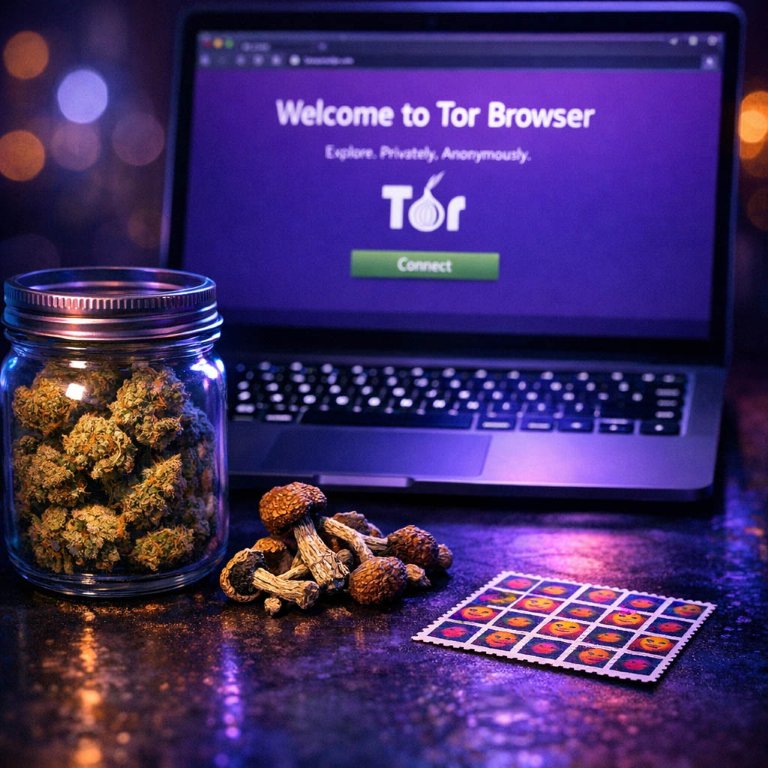
The dark web is part of the deep web but is built on darknets: overlay networks that sit on the internet but which can't be accessed without special tools or software like Tor. Tor is an anonymizing software tool that stands for The Onion Router — you can use the Tor network via Tor Browser.
| Darknet Market | Established | Total Listings | Link |
|---|---|---|---|
| TorZon Market | 2022 | 140+ | Onion Link |
| Nexus Market | 2024 | 600+ | Onion Link |
| Abacus Market | 2022 | 100+ | Onion Link |
| Ares | 2026 | 100+ | Onion Link |
| Cocorico | 2023 | 110+ | Onion Link |
Updated 2026-09-19
How Darknet Markets Build Trust for Safe Trade
The architecture of darknet markets is engineered to establish transactional reliability where traditional commerce frameworks are absent. This is achieved through integrated systems that replicate and often exceed the safeguards of conventional e-commerce. The foundation is end-to-end encryption, which ensures all communication and transaction details remain confidential between buyer and vendor, creating a private channel for commerce.
Trust is systematically built via the escrow service. Funds from a purchase are held by the market platform until the buyer confirms satisfactory receipt of the product. This mechanism financially disincentivizes vendor fraud, as payment is only released upon fulfillment of the order as advertised. The system is reinforced by a transparent feedback and review system. Past buyers leave detailed evaluations on product quality, shipping speed, and stealth, generating a searchable reputation score for each vendor.
This public ledger of performance creates a powerful self-regulating ecosystem. Vendors with consistently high ratings and positive reviews gain prominence and commercial success, while those with poor feedback are marginalized. The result is a competitive environment where product quality assurance and professional service become the primary drivers of vendor profitability. Buyers can make informed decisions by comparing:
- Detailed product descriptions and purity metrics
- Statistical vendor ratings over time
- Historical review data from previous transactions
The aggregate effect is a efficient marketplace that meets consumer demand through a secure, trust-based model. Quality and reliability are incentivized by the market's own design, directing business toward vendors who maintain high standards and transparent operations.
How Encryption and Privacy Make Darknet Trade Secure
The operational foundation of darknet markets is a sophisticated encryption framework. This technology directly addresses the primary concern of any buyer: personal security. By routing all communication through networks like Tor and employing end-to-end encryption for messages, these platforms create a disconnected environment where user identities and physical locations are obscured. This technical barrier is not merely a feature; it is the essential precondition that allows commerce to occur.
This privacy extends to financial transactions through the mandatory use of cryptocurrencies, primarily Bitcoin and Monero. The blockchain provides a layer of pseudonymity, severing the direct link between a financial transaction and an individual's real-world identity. When combined with the network anonymity of the darknet itself, it establishes a secure channel for trade. This environment empowers buyers to engage with a focus on product and vendor merit, rather than from a position of personal vulnerability.
The resulting ecosystem fosters a form of rational commerce. With the risks of identification mitigated by technology, the market dynamics shift. Trust is built not on anonymity alone, but on how that anonymity enables the transparent flow of performance data. Buyers can research and transact with a reduced fear of legal repercussion, which in turn pressures vendors to compete on reliability and product quality. The encryption does not create trust directly, but it creates the neutral, secure space where trust, through repeated and verifiable successful transactions, can be organically established and maintained.
How Escrow Makes Buying Drugs on the Darknet Safe
Escrow services are a fundamental component of trust on darknet markets. They act as a neutral third party in a transaction. When a buyer places an order, the funds are held by the escrow service and are not released to the vendor until the buyer confirms satisfactory receipt of the product. This mechanism directly addresses the inherent risk of anonymous online trade by ensuring that vendors are paid only upon successful delivery.
The system incentivizes vendor reliability and product quality. A vendor who fails to ship an item or sends substandard products does not receive payment, creating a direct financial penalty for fraudulent or poor performance. This aligns the vendor's economic interest with the buyer's expectation of receiving the advertised goods. The escrow model transforms a potentially risky anonymous exchange into a secured transaction with built-in consumer protection.
For buyers, this reduces the fear of financial loss, which is a primary barrier to engagement in digital commerce without legal recourse. The process is straightforward:
- The buyer submits payment to the market's escrow wallet.
- The vendor is notified and ships the product.
- The buyer finalizes the order upon receipt, releasing funds.
- If issues arise, the buyer can open a dispute for mediation.
Dispute resolution, often handled by market moderators, provides a formal channel to address conflicts over non-delivery or product misrepresentation. This layer of oversight further reinforces market integrity. Consequently, reputable vendors with consistent positive feedback thrive, as their funds are released promptly, while unreliable actors are systematically filtered out by the escrow process. The escrow system thus creates a self-reinforcing cycle of trust and quality assurance, establishing a stable commercial environment where transactional security is prioritized.
How Reviews Make the Darknet a Safer Marketplace
User reviews on darknet markets function as a primary mechanism for quality assurance and vendor accountability. Each transaction typically concludes with a buyer leaving detailed feedback on product quality, shipping speed, and communication. This creates a transparent, crowd-sourced record of performance.
The review system enforces market self-regulation. Vendors with consistently positive reviews gain higher search rankings and buyer trust, directly translating to increased sales. Conversely, vendors who engage in scamming or selling substandard products are quickly identified through negative feedback. This peer-based policing minimizes fraud more effectively than centralized oversight could in this environment. Common review elements include:
- Product purity and accuracy of the listing description
- Stealth and discretion of packaging
- Reliability and speed of delivery
- Professionalism of vendor communication
This ecosystem incentivizes vendors to maintain high standards. A vendor's reputation, built over hundreds of transactions, becomes their most valuable asset. Buyers leverage this system to make informed decisions, comparing reviews across multiple vendors before purchasing. The result is a competitive marketplace where product quality and service reliability are the main drivers of commercial success, mirroring the feedback systems of mainstream e-commerce platforms.
How Reputation Ensures Quality on Darknet Markets
Vendor reputation on darknet markets functions as a decentralized quality assurance system. It replaces the regulatory frameworks of conventional commerce with a transparent, user-driven feedback mechanism. Each transaction concludes with a review system where buyers rate the vendor on specific criteria.
The review metrics are comprehensive, covering product purity, shipping speed, stealth packaging, and communication quality. This data is aggregated into a public vendor profile, displaying a numeric rating and detailed feedback history. A high rating and a long history of positive reviews signal reliability, creating a direct economic incentive for vendors to maintain consistent quality. Vendors with poor ratings or unresolved disputes are quickly marginalized as buyers migrate to more reputable sources.
Product quality is further assured through community-led testing. Buyers often commission independent laboratory analyses of purchased substances. The results are published in their reviews or on dedicated forum threads. This practice of empirical verification provides an additional layer of consumer protection, allowing buyers to make informed decisions based on verified chemical composition rather than marketing claims. Consequently, the most successful vendors are those who consistently meet or exceed advertised potency and purity, as their business growth is directly tied to their reputation score.

How the darknet meets demand with quality and reliability
The operational efficiency of darknet markets directly addresses a fundamental economic principle: supply meeting demand. Traditional illicit drug distribution is fragmented and inefficient, often characterized by inconsistent quality, unreliable availability, and significant safety risks for consumers. Darknet platforms streamline this process by creating a centralized, searchable marketplace where buyers can efficiently locate specific substances, compare vendors based on transparent metrics, and complete transactions with a degree of predictability absent from street-level dealings.
This efficiency is built on several interconnected systems. Vendor shop fronts operate with a retail-like structure, offering detailed product listings, batch information, and shipping options. The feedback and review system acts as a continuous quality audit, where product purity and shipping reliability are publicly documented. This creates a powerful incentive for vendors to maintain high standards, as a single batch of substandard product can result in a cascade of negative reviews, directly impacting future sales. The result is a market that self-regulates towards quality assurance and consumer satisfaction.
The escrow system further enhances this efficient model by securing the financial transaction until the buyer confirms receipt and quality of the product. This mechanism aligns the interests of the buyer and seller, ensuring that vendors are motivated to fulfill orders accurately and promptly. Consequently, the darknet establishes a more reliable and consumer-oriented supply chain. It reduces the time, uncertainty, and physical danger involved in sourcing products, effectively meeting consumer demand through a structured, feedback-driven, and secure commercial environment that prioritizes transactional success and product integrity.
How Darknet Markets Build Trust for Safer Drug Sales
The darknet's economic model for drug commerce is fundamentally built on establishing trust and quality assurance in an environment without traditional legal recourse. This is achieved through a combination of technological systems and community-driven feedback mechanisms that create a self-regulating marketplace.
Encryption and anonymity tools provide the foundational layer of security, allowing users to interact without fear of exposure. This privacy enables the open exchange of information necessary for building transactional trust. The widespread use of escrow services directly addresses the core issue of financial risk. Funds are held by a neutral third party until the buyer confirms satisfactory receipt of the product, which powerfully disincentivizes vendor fraud and ensures payment for honest sellers.
Quality and reliability are enforced through transparent reputation systems. Every transaction can be followed by detailed user reviews and ratings, creating a permanent record of a vendor's performance. This public ledger of past behavior allows buyers to make informed decisions based on consistent factors:
- Purity and accuracy of the product description.
- Stealth and reliability of shipping methods.
- Promptness and professionalism of communication.
Vendors with high ratings and positive feedback gain more business, creating a powerful economic incentive to maintain high standards. This feedback loop effectively filters out unreliable sellers, as their poor reputation quickly limits their sales. The system meets specific consumer demand for verified product quality and predictable outcomes, which in turn supports a stable and efficient supply chain within the darknet ecosystem. The market's structure rewards transparency and punishes poor conduct, aligning vendor success directly with customer satisfaction.