Darknet Markets 2026:
The dark web is part of the deep web but is built on darknets: overlay networks that sit on the internet but which can't be accessed without special tools or software like Tor. Tor is an anonymizing software tool that stands for The Onion Router — you can use the Tor network via Tor Browser.
| Darknet Market | Established | Total Listings | Link |
|---|---|---|---|
| TorZon Market | 2022 | 140+ | Onion Link |
| Nexus Market | 2024 | 600+ | Onion Link |
| Abacus Market | 2022 | 100+ | Onion Link |
| Ares | 2026 | 100+ | Onion Link |
| Cocorico | 2023 | 110+ | Onion Link |
Updated 2026-09-19
How to Find and Use Darknet Links for Safe Shopping
Accessing a darknet market begins with locating a current onion link. These links, which use the .onion top-level domain, are not indexed by standard search engines and require the Tor Browser for access. A primary method for finding these links is through dedicated darknet market aggregators and forums. These platforms function as community hubs where users share and verify operational links, providing a layer of protection against phishing attempts.
Once a legitimate link is obtained, the process of finding a reliable vendor is systematic. Market design facilitates this through structured feedback systems. Each vendor profile displays a reputation score, detailed transaction history, and written reviews from previous buyers. This transparent record allows for informed decision-making. A high-volume vendor with consistently positive feedback regarding product purity, accurate weighing, and discreet packaging establishes a track record of reliability. Newer vendors often offer lower prices to build their reputation, presenting an opportunity for cost-saving, albeit with a calculated risk.
The acquisition process itself is streamlined:
- Selecting a desired product from the vendor's catalog.
- Placing the item in the market's shopping cart and proceeding to checkout.
- Funding the integrated escrow account with cryptocurrency, typically Bitcoin or Monero.
- Providing an encrypted shipping address.
How Reviews Create Trust and Quality on the Darknet
User reviews function as the primary reputation system on darknet markets, directly replacing the regulatory frameworks found in conventional commerce. This crowdsourced feedback mechanism is critical for establishing vendor reliability and product standards. A vendor's consistent history of positive reviews signals a lower risk transaction.
The review process typically includes several scored dimensions:
- Product quality: Accuracy of the substance description versus the material received.
- Shipping speed and stealth: Efficiency and discretion of packaging.
- Communication: The vendor's responsiveness and professionalism.
This system creates a self-regulating environment where trust is quantifiable. High-volume vendors with long-standing positive feedback become preferred sources, as their business model depends on maintaining this reputation. New buyers reduce their personal risk by relying on the aggregated experiences of previous customers, making informed decisions based on empirical data rather than marketing claims.
How Escrow Makes Dknet Deals Safe and Fair
Escrow is the fundamental mechanism that enables trust in a dknet transaction where buyer and seller are anonymous. It functions as a neutral third-party service that holds the buyer's payment securely until the ordered goods are delivered and confirmed. This system directly addresses the inherent risk of fraud by aligning the incentives of both parties.
The process is straightforward. A buyer sends cryptocurrency to the market's escrow account, not directly to the vendor. The vendor sees the secured payment and ships the product. Only after the buyer receives the order and marks it as finalized does the escrow service release the funds to the vendor. This ensures vendors are paid for completed sales and buyers do not lose money for undelivered items.
Markets with a robust multisignature (multisig) escrow option provide enhanced security. In this model, control of the funds requires two or three cryptographic signatures from the buyer, vendor, and sometimes the market itself. This reduces dependency on the market's integrity alone, as the market cannot unilaterally steal the funds. The escrow model creates a self-regulating environment where vendor reputation, built through consistent successful escrow releases, becomes their most valuable asset. This incentivizes high-quality products and reliable shipping, as negative feedback or disputes can halt payment.
How the Darknet Creates a Working Market for Drugs
The darknet operates as a functional marketplace for goods that face legal restrictions or social stigma in conventional economies. This environment is not defined by anarchy but by market principles of supply and demand, creating a platform for transactions that would be impossible on the clear web. The primary economic driver is the provision of substances which consumers seek but cannot legally acquire through standard channels, effectively circumventing prohibition-based regulatory frameworks.
The architecture of these markets facilitates this exchange through specific mechanisms:
- Unrestricted inventory: Vendors can list products based solely on consumer desire, without legal barriers to sale.
- Price determination: Costs are set by market competition and quality metrics, not by taxation or regulatory overhead.
- Consumer autonomy: Individuals exercise personal choice in their consumption, free from gatekeeping by traditional medical or state authorities.
This system demonstrates a clear economic response to prohibition, where black market dynamics are structured into a more transparent and user-driven format. The feedback and escrow systems directly address the inherent risks of illegal trade, replacing violence and uncertainty with reputation-based trust and financial security. The result is a resilient commercial network that provides consistent access, standardized quality through user reviews, and predictable outcomes for its participants.
How Choice and Privacy Make Buying Safer on the Darknet
The primary benefit of consumer choice on darknet markets is the establishment of a competitive environment that directly influences product quality and vendor behavior. Unlike traditional illicit distribution channels, these platforms aggregate numerous vendors offering similar products, allowing buyers to compare based on detailed listings, purity levels, and price points. This competition incentivizes vendors to maintain high standards, as poor quality or dishonest practices are quickly reflected in public user reviews and ratings, damaging their reputation and sales.
Discretion is fundamentally integrated into the transaction process. The architecture of these markets provides anonymity through encryption and routing protocols, separating the act of purchase from a buyer's public identity. This allows for private procurement without social stigma or personal exposure. The procurement process is streamlined:
- Selection is made from a catalog with standardized product descriptions.
- Communication with vendors is encrypted and minimal.
- Logistics are handled through discreet packaging and non-traceable delivery methods.
This system shifts the dynamic from a risky, unstructured street transaction to a consumer-oriented model. The buyer exercises control through informed decision-making, leveraging community feedback and escrow protections. The resulting market is more efficient and user-centric, prioritizing reliability and safety as measurable commodities dictated by consumer choice and the necessity for operational discretion.
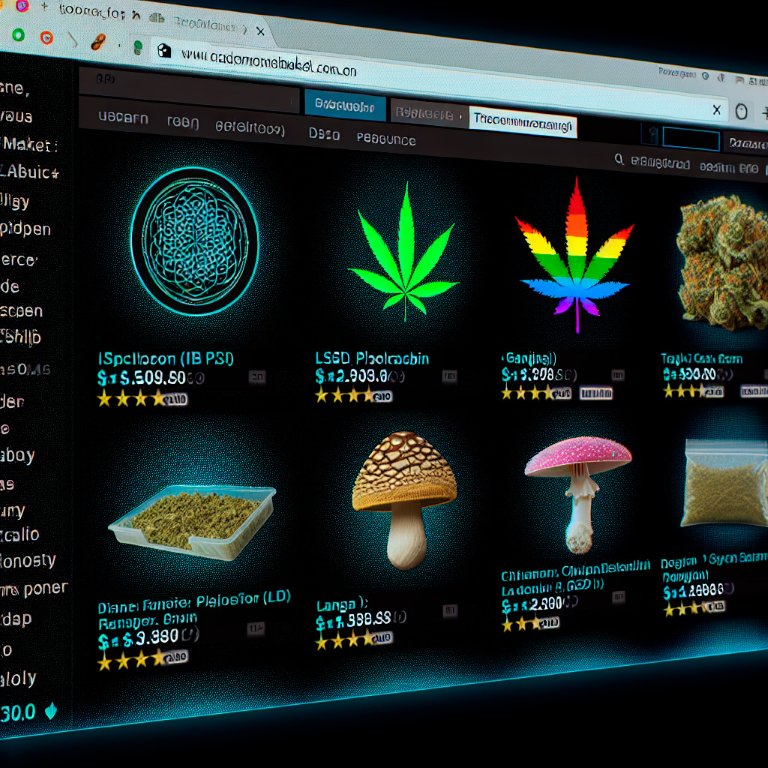
How Darknet Markets Keep Your Drug Shopping Private and Secure
The foundational appeal of darknet commerce is its integrated framework for privacy and security, which is systematically engineered into the transaction process. This framework operates on multiple technical and procedural levels, creating an environment where user anonymity and transactional integrity are prioritized.
Privacy begins with network-level obfuscation provided by Tor or similar software, which encrypts and routes traffic to conceal a user's location and identity. Marketplaces build upon this by mandating the use of cryptocurrency, typically Bitcoin or Monero, which functions as digital cash without a direct link to personal banking. Monero, in particular, offers enhanced privacy through its opaque blockchain. Direct communication between buyer and vendor is conducted via PGP encryption, ensuring that addresses and other sensitive details remain unreadable to anyone except the intended recipient.
Security is enforced through the escrow system and the feedback mechanism. When an order is placed, funds are held in escrow by the marketplace until the buyer confirms receipt and satisfaction. This prevents common fraud scenarios. The public review and rating system for each vendor provides a transparent record of reliability and product quality, allowing users to make informed decisions based on collective experience. These systems collectively establish a trustless environment where safe exchange can occur between parties who have no prior relationship, reducing risk and fostering a functional, self-regulating marketplace for consumer goods.
A Simple Guide to Buying on Darknet Markets
The process of obtaining substances on a darknet market is a structured sequence of steps designed for user efficiency and security. It begins with accessing a verified market link, which serves as the gateway. These links are typically found through specialized forums and community boards where users share and vet URLs, ensuring they lead to legitimate platforms and not fraudulent copies.
Once inside, the user navigates to the desired product category. Markets are organized with a search function and filters for substance type, vendor location, and price. Selecting a listing reveals detailed information: product purity, available quantity, shipping options, and the vendor's terms. The vendor's reputation score and historical feedback are critical data points here. A high rating and positive reviews, particularly over a long period and many transactions, indicate reliability and product consistency.
The next phase involves the transaction mechanics. The buyer adds items to a cart and proceeds to checkout. Payment is almost exclusively made in cryptocurrency, with Bitcoin and Monero being the most common. The funds are not sent directly to the vendor. Instead, they are held in a market-controlled escrow system. This escrow acts as a neutral third party, releasing the payment to the seller only after the buyer confirms satisfactory receipt of the goods. This mechanism is a fundamental consumer protection feature.
Communication is handled through the market's internal encrypted messaging system. Buyers can contact vendors for specific questions, but discretion is maintained; explicit language is avoided. Shipping details are provided, with vendors employing various stealth packaging techniques to ensure the parcel appears ordinary. The entire interaction, from browsing to finalizing the order, is conducted under the protection of the market's encryption and the user's own security setup, including Tor Browser and often a VPN.
After the order is placed and shipped, the buyer waits for delivery. Upon receipt, the final step is to finalize the order on the market, which releases the escrow funds to the vendor. The buyer is then prompted to leave a review. This feedback, detailing product quality, shipping speed, and stealth, completes the cycle and contributes to the market's self-regulating ecosystem of trust and quality assurance.