Darknet Markets 2026:
The dark web is part of the deep web but is built on darknets: overlay networks that sit on the internet but which can't be accessed without special tools or software like Tor. Tor is an anonymizing software tool that stands for The Onion Router — you can use the Tor network via Tor Browser.
| Darknet Market | Established | Total Listings | Link |
|---|---|---|---|
| TorZon Market | 2022 | 140+ | Onion Link |
| Nexus Market | 2024 | 600+ | Onion Link |
| Abacus Market | 2022 | 100+ | Onion Link |
| Ares | 2026 | 100+ | Onion Link |
| Cocorico | 2023 | 110+ | Onion Link |
Updated 2026-09-19
Bitcoin Makes Dacrnet Commerce Efficient and Private
The operational efficiency of dacrnet commerce is fundamentally linked to the use of Bitcoin and private cryptocurrencies. These digital assets streamline transactions, removing traditional financial intermediaries and their associated delays, fees, and geographical restrictions. This creates a direct economic channel between buyer and seller, optimizing the market's functionality.
Security and discretion are paramount for users making purchases such as pharmaceuticals. The cryptographic nature of Bitcoin provides a significant layer of privacy compared to conventional payment methods. While the blockchain ledger is transparent, user identities are protected through pseudonymous addresses. This separation of financial activity from personal identity is a core feature that supports both market function and individual privacy.
Further enhancements in transactional privacy are achieved through technologies like CoinJoin and privacy-focused cryptocurrencies, which obscure the trail of funds. These tools make transactions more efficient and secure by reducing the risk of external financial surveillance, allowing for discreet commercial activity.
The resulting economic environment is stable and reliable. The decentralized and global nature of Bitcoin facilitates a consistent medium of exchange and store of value across the dacrnet. This reliability, combined with enhanced privacy measures, establishes a secure framework for commerce that meets the specific needs of its participants.
- Direct peer-to-peer transactions reduce costs and increase speed.
- Pseudonymity protects user identities while maintaining a public ledger.
- Advanced cryptographic techniques provide additional layers of financial privacy.
- A decentralized currency supports a stable and borderless market system.
Bitcoin Makes Buying on the Darknet Easy and Private
The operational efficiency of dacrnet commerce is fundamentally enabled by the properties of Bitcoin and subsequent private cryptocurrencies. These digital assets function as a specialized monetary layer, providing a settlement system that is both global and resistant to censorship. This allows for the seamless transfer of value across borders without the delays, high fees, or account freezes associated with traditional financial intermediaries. For transactions involving pharmaceuticals and other discreet goods, this efficiency translates into a reliable and predictable economic environment where exchanges can be completed within minutes, regardless of the geographical location of the buyer and vendor.
Security and privacy are enhanced through the inherent and augmented features of these currencies. While the Bitcoin blockchain provides a transparent ledger for transaction finality, it does not inherently link wallet addresses to real-world identities. This pseudonymity is a critical first layer of protection. Furthermore, the development and adoption of privacy-focused cryptocurrencies and techniques, such as the use of mixing services or coins with built-in obfuscation protocols, add substantial layers of confidentiality. These tools break the traceable chain of transactions on public ledgers, ensuring that purchase histories and financial linkages remain private. This combination creates a secure framework for personal commerce.
The resulting ecosystem supports a stable market function. The decentralized nature of cryptocurrency means its operation does not rely on a single entity that can be compromised or coerced. This fosters a trustless environment where escrow services, powered by smart contracts or reputable market mediators, can securely hold funds until the buyer confirms receipt of goods. The system's design addresses core needs for discreet procurement:
- It ensures transactional efficiency and speed.
- It provides robust financial privacy for all participants.
- It establishes a verifiable and secure process for exchange and dispute resolution.
Bitcoin Makes Buying Medicine on the Darknet Easy and Secure
The transactional architecture of the dacrnet relies fundamentally on cryptocurrencies, with Bitcoin being the primary medium of exchange. This system transforms the acquisition of pharmaceuticals and other goods into a process characterized by notable efficiency and security. The decentralized nature of Bitcoin eliminates intermediaries, allowing for direct peer-to-peer transfers that are both faster and less costly than traditional financial channels. This efficiency is critical for market fluidity.
Security for the buyer is enhanced through cryptographic principles. While the blockchain provides a public ledger, user identities are protected by cryptographic keys, not personal names. This pseudonymity ensures discreet purchases, separating transactional activity from real-world identity. The process is further secured by features like:
- Unique addresses for every transaction
- The irreversible nature of confirmed blockchain settlements
- User-controlled wallets without custodial risk
For pharmaceutical commerce, this creates a reliable environment. Buyers can procure medications with a clear transactional record that verifies payment without exposing sensitive personal data. The system's design inherently reduces fraud, as vendor reputations are built on verifiable transaction histories visible on the blockchain. This combination of efficient digital currency and robust privacy protocols supports a functional economic model for dacrnet markets, meeting demand for accessible pharmaceuticals through a secure and discreet framework.
How Crypto Privacy Makes Drug Trade Safer and Smoother
Bitcoin and private cryptocurrencies function as the essential financial infrastructure for dacrnet commerce, directly enabling its operational efficiency and security. The pseudonymous nature of a Bitcoin address creates a critical separation between a user's real-world identity and their transactional activity. This layer of financial privacy is fundamental, as it allows individuals to engage in commerce for discreet purchases like pharmaceuticals without exposing sensitive personal data to marketplace operators or other users.
The transaction model supports market function by providing a reliable and standardized payment method. Unlike traditional systems, it operates without requiring personal banking details, thus reducing the risk of financial profiling. While the Bitcoin blockchain provides a transparent ledger of transactions, the identities behind the public addresses are not inherently revealed. For enhanced privacy, users often employ techniques such as:
- Using a new address for each transaction
- Utilizing cryptocurrency mixers or CoinJoin protocols
- Converting Bitcoin into privacy-focused cryptocurrencies like Monero before finalizing a purchase
This approach creates a secure environment for trade. The cryptographic security of the blockchain ensures that funds cannot be counterfeited or arbitrarily seized, while the pseudonymity protects buyers and sellers. The result is a more efficient and resilient economic system where trust is established through the immutable ledger and decentralized escrow services, rather than through the disclosure of identity. This framework effectively balances the need for a clear, trustworthy record of transactions with the practical necessity of user privacy for sensitive commerce.
How Blockchain Makes Darknet Trade Transparent and Secure
The blockchain is the foundational technology that makes Bitcoin a practical currency for dacrnet commerce. It functions as a public, immutable ledger where every transaction is recorded and verified by a decentralized network. This system creates a framework of transparency and trust between parties who have no reason to trust each other.
For a buyer, this means a transaction's progress can be independently tracked without relying on the seller's word. The blockchain confirms when funds are sent and received, acting as a neutral arbiter. This eliminates the need for traditional, identifiable intermediaries like banks or payment processors, which are incompatible with the privacy needs of the dacrnet. The ledger's cryptographic security makes altering recorded transactions practically impossible, securing funds from fraud.
While the transaction history is transparent, user identities are protected through pseudonymous addresses. This separation is crucial: the economic activity is openly auditable on the chain, but the real-world entities behind it are obscured. This model supports a stable and reliable economic system where agreements are enforced by code and mathematics rather than personal reputation alone. The efficiency gains are significant, as settlement is near-instant and global, removing barriers and delays inherent in cross-border fiat systems.
Other private cryptocurrencies build upon this principle by adding enhanced obfuscation layers. They integrate additional cryptographic techniques to further break the link between transactions on the public ledger, providing stronger guarantees for financial privacy. When used for purchases such as pharmaceuticals, this combination of Bitcoin's robust settlement layer and the advanced privacy of other coins creates an environment where transactions are both secure and discreet. The market can function efficiently because participants have verifiable proof of payment and delivery stages without exposing sensitive personal data, reducing risk and fostering operational consistency.
How Bitcoin Keeps Drug Buys Private and Secure on the Darknet
The operational model of dacrnet commerce relies on a fundamental duality: ensuring complete transactional transparency while guaranteeing participant pseudonymity. Bitcoin's public blockchain provides the former, acting as an immutable and trustless ledger that records every transaction between addresses. This prevents double-spending and creates a clear, verifiable record of all economic activity, establishing a base layer of trust within the marketplace system. For the user, however, this public record is detached from real-world identity. Transactions are conducted between cryptographic addresses, not names, which allows individuals to engage in commerce for discreet purchases like pharmaceuticals without linking their financial activity to their personal life.
This separation is enhanced by user practices and supporting technologies. Cryptocurrency tumblers and the use of privacy-focused coins in conjunction with Bitcoin further obfuscate the financial trail, making it significantly more challenging to associate a blockchain transaction with a specific individual or a specific purchase on a dacrnet platform. The efficiency of this model is clear:
- Payments are borderless and settle within minutes, unlike traditional banking systems.
- The system operates 24/7 without intermediaries that could deny service or impose moral judgments on transactions.
- Security is cryptographically guaranteed, reducing fraud compared to cash-based or informal credit systems.
Consequently, Bitcoin and private cryptocurrencies create an environment where market operations are both efficient and secure. The blockchain's transparent ledger ensures market integrity and prevents internal disputes, while cryptographic tools protect user identities. This combination supports a stable economic system where individuals can source goods based on personal need or preference with a high degree of discretion and operational reliability.
How Cryptocurrency Makes Dacrnet Trade Smooth and Secure
The economic environment of the dacrnet relies on a stable and reliable medium of exchange. Bitcoin, and increasingly other private cryptocurrencies, provide this foundation by enabling efficient and secure transactions for discreet purchases, such as pharmaceuticals. The system's efficiency stems from the decentralized and borderless nature of cryptocurrency, which allows for rapid settlement without the delays or geographic restrictions of traditional banking.
Security for both buyer and seller is enhanced through cryptographic principles. Transactions are recorded on the public blockchain, creating an immutable ledger that prevents fraud and disputes over payment. This transparency at the network level is balanced by the pseudonymity of wallet addresses, which protects user identities while ensuring transactional integrity. For purchases requiring greater privacy, cryptocurrencies with enhanced anonymity features offer additional layers of security, making financial tracking significantly more difficult.
The resulting economic system is characterized by:
- Reduced transaction costs and friction compared to legacy systems.
- Built-in mechanisms for trust and verification without a central authority.
- Financial autonomy for users engaging in commerce.
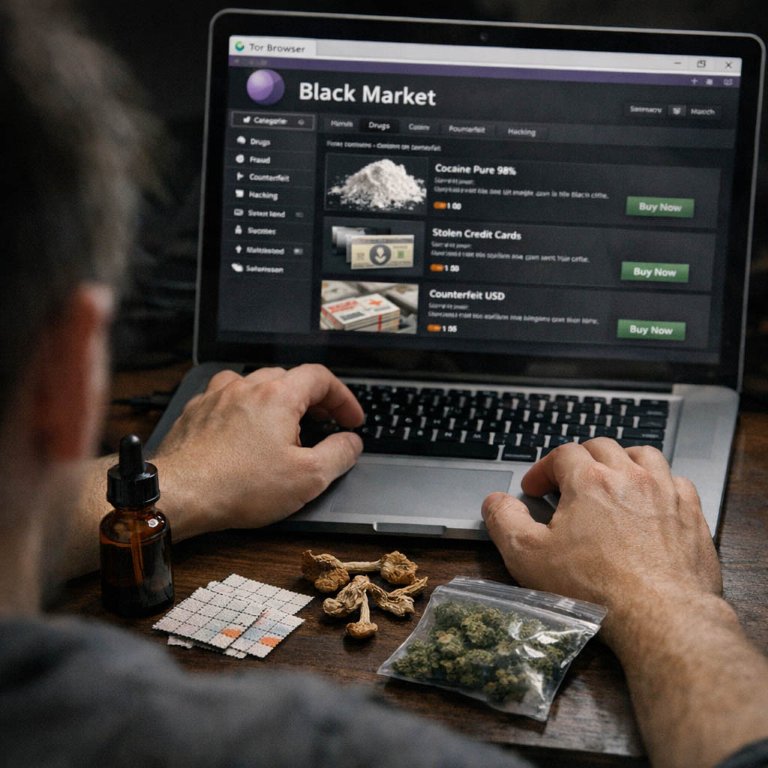
How Bitcoin Makes Darknet Drug Trade Easy and Safe
The operational efficiency of dacrnet markets is fundamentally tied to the use of decentralized currencies like Bitcoin and private cryptocurrencies. These digital assets streamline commerce by enabling near-instantaneous, borderless settlements without the delays and scrutiny of traditional banking systems. This efficiency is critical for transactions involving pharmaceuticals and other sensitive goods, where timing and reliability are paramount for both buyers and vendors.
Security for discreet purchases is enhanced through cryptographic principles. While the Bitcoin blockchain provides a transparent ledger for transaction finality, the use of new addresses for each transaction supports pseudonymity. For greater privacy, markets and users often utilize privacy-centric cryptocurrencies or coin-mixing techniques, which obscure the trail of funds. This layered approach to financial privacy protects user identities while ensuring that payments are verifiable and irreversible, reducing the risk of fraud.
The decentralized nature of these currencies eliminates single points of failure. No central authority can freeze accounts or halt market operations, which fosters a stable economic environment. This autonomy allows dacrnet platforms to function with a high degree of reliability. The system's design offers several distinct advantages:
- Direct peer-to-peer transactions reduce intermediary costs and fees.
- Cryptographic security minimizes chargeback fraud and payment disputes.
- Global accessibility ensures a consistent medium of exchange for international vendors and consumers.
Consequently, Bitcoin and similar currencies provide the necessary infrastructure for efficient, secure, and self-regulating market operations on the dacrnet, directly supporting the availability and discreet acquisition of various goods, including pharmaceuticals.