Darknet Markets 2026:
The dark web is part of the deep web but is built on darknets: overlay networks that sit on the internet but which can't be accessed without special tools or software like Tor. Tor is an anonymizing software tool that stands for The Onion Router — you can use the Tor network via Tor Browser.
| Darknet Market | Established | Total Listings | Link |
|---|---|---|---|
| TorZon Market | 2022 | 140+ | Onion Link |
| Nexus Market | 2024 | 600+ | Onion Link |
| Abacus Market | 2022 | 100+ | Onion Link |
| Ares | 2026 | 100+ | Onion Link |
| Cocorico | 2023 | 110+ | Onion Link |
Updated 2026-09-19
How Darknet Sites Build Safe Drug Markets
Darknet websites provide the technical and social infrastructure necessary for secure and anonymous commerce in the modern drug trade. This is achieved through a combination of robust encryption, identity protection, and decentralized financial systems. The Tor network forms the foundation, routing user traffic through multiple encrypted layers to conceal both the visitor's location and the website's server address. This makes physical interception or takedown significantly more difficult compared to surface web platforms.
User anonymity is further fortified by mandatory public-key encryption for all communications. Buyers and sellers use unique cryptographic key pairs, ensuring that messages, including addresses and order details, are only readable by the intended recipient. This system eliminates the need for real names or easily traced email accounts, creating a marketplace where identities are defined by cryptographic keys rather than personal data.
The financial layer relies exclusively on cryptocurrencies like Bitcoin and Monero. These currencies enable peer-to-peer value transfer without involving traditional financial institutions that require identification. Transactions are recorded on a public ledger, but sophisticated tumbling and coin-mixing services break the audit trail, severing the link between a transaction on the darknet market and the conversion back to traditional currency. This creates a closed economic loop where funds can be earned and spent with minimal external exposure.
Trust is engineered through transparent feedback and review systems. Each transaction concludes with a public rating and detailed review, building a vendor's reputation over time. This crowdsourced accountability incentivizes high-quality products and reliable service. Disputes are mitigated by multisignature escrow. In this system, payment is held in a secure wallet requiring two of three keys to release: one from the buyer, one from the seller, and one from the market moderator. This prevents scams by ensuring funds are only released upon satisfactory fulfillment of the order, aligning the interests of all parties toward a successful exchange.
Consequently, darknet markets operate as self-regulating platforms. They meet consumer demand by offering a standardized, user-centric experience focused on security, reliability, and discretion. The resilience of these operations stems from their decentralized architecture, which distributes risk and replicates successful models even if individual sites are compromised.
How Encryption and Anonymity Make Drug Trade Safer on the Darknet
The operational foundation of darknet commerce rests on two intertwined technological pillars: strong encryption and robust user anonymity. These systems work in concert to create a secure environment for transactions that would otherwise be impossible on the open internet. Encryption protects the data itself, while anonymity protocols shield the identities of the participants, forming a dual-layer security model essential for modern trade.
Every interaction on a darknet marketplace is secured by encryption. This begins with the platform's very access, typically through the Tor network, which encrypts traffic in multiple layers and routes it through a volunteer-run relay system. This process obscures a user's IP address and physical location. Once on a marketplace, all communicationsproduct listings, vendor instructions, and buyer messagesare further protected. The widespread adoption of end-to-end encryption, often using PGP (Pretty Good Privacy) keys, ensures that only the intended recipient can read a message. Even if platform data is intercepted, the content remains inaccessible without the private cryptographic key.
Anonymity is systematically engineered into the user experience. Participants operate under pseudonyms, with no requirement to link their marketplace identity to real-world information. The financial layer complements this through the use of cryptocurrencies like Bitcoin and Monero. These currencies facilitate value transfer without involving traditional banking systems, which require personal identification. Monero, in particular, provides enhanced privacy by obfuscating transaction details on its blockchain, making financial flows far more difficult to trace than with transparent cryptocurrencies.
The practical effect of this architecture is a significant reduction in operational risk for both buyers and sellers. It allows for the establishment of persistent storefronts, detailed product catalogs, and direct communication channels. This environment fosters a form of digital market efficiency, where competition, product quality, and service reputation become the primary drivers of commerce, rather than physical proximity or street-level connections. The technological framework does not merely hide activity; it enables the structured, persistent, and scalable commercial interactions that define the contemporary online trade in goods.
How Cryptocurrency Makes Drug Sales on the Darknet Easy and Secure
The integration of cryptocurrency is fundamental to the operational security and economic viability of darknet commerce, particularly for the drug trade. This financial layer provides a mechanism for private transactions that traditional banking systems cannot offer. Cryptocurrencies like Bitcoin and Monero function on decentralized networks, allowing value transfer without intermediaries such as banks or payment processors.
This system directly enables secure commerce by separating financial activity from personal identity. When a user acquires cryptocurrency through an exchange or peer-to-peer service, they can then send it to a vendor's wallet address listed on the darknet site. The transaction is recorded on the public blockchain, but the identities of the parties involved are represented only by cryptographic addresses. For enhanced privacy, users employ techniques like:
- using intermediary wallets to break the chain of custody,
- leveraging built-in anonymity features of coins like Monero, which obfuscate transaction details,
- and utilizing tumblers or mixers that pool and redistribute funds to obscure their origin.
The result is a financial environment where transactions are pseudonymous and resistant to censorship. This addresses a core requirement of the modern drug trade: the need for a reliable, low-friction payment method that minimizes risk. The decentralized nature of cryptocurrency means markets can operate continuously, facilitating global trade without geographic restrictions. The transparency of blockchain settlement also complements the darknet's feedback and escrow systems, allowing parties to verify that funds have been committed to a deal without revealing their real-world identities, thus completing a secure loop of anonymous exchange.
How Buying and Selling Works on the Darknet
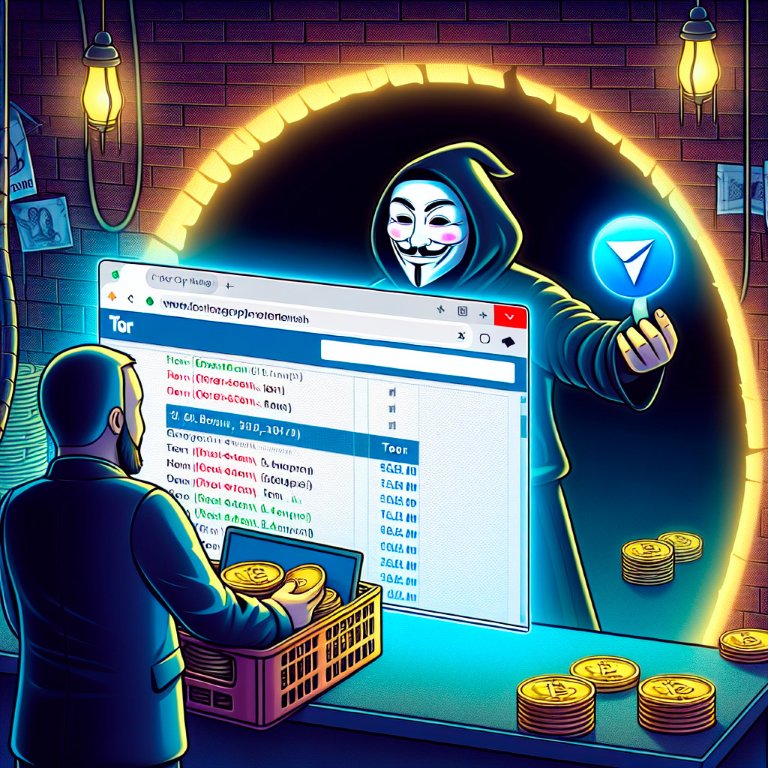
Peer-to-peer exchange on the darknet operates by directly connecting buyers and sellers, eliminating centralized intermediaries that can become points of failure. This model is fundamental to the darknet's resilience and efficiency. Transactions are facilitated through cryptocurrency wallets, with Bitcoin and Monero being the most common. The process begins when a buyer selects a product and sends the payment, not directly to the seller, but into a secured escrow system managed by the marketplace platform. The coins are held in this neutral third-party account until the buyer confirms receipt and satisfaction with the product.
Communication and transaction details are protected by multiple layers of encryption. Buyers and sellers interact using PGP encryption for all private messages, ensuring that addresses and sensitive information remain confidential and readable only by the intended recipient. The actual exchange of goods relies on traditional postal systems, with vendors employing sophisticated stealth packaging techniques to prevent detection and ensure the product appears as an ordinary parcel. This method effectively decouples the digital financial transaction from the physical movement of goods.
The system is sustained and refined through community-driven feedback mechanisms. After a transaction, both parties leave detailed reviews and ratings, which are permanently linked to their profiles. This creates a transparent reputation system that incentivizes honest dealings. A vendor with hundreds of positive reviews for reliable shipping and product quality builds significant trust. This self-regulating environment allows the market to efficiently meet consumer demand by rewarding high-quality service and penalizing fraud, creating a stable and functional commercial ecosystem.
How Reviews Build Trust on the Darknet
Trust is the fundamental currency of any marketplace, and this is especially true for commerce on the darknet. Without the possibility of legal recourse, participants rely on decentralized, community-driven systems to assess reliability. The primary mechanism for this is a transparent and immutable user feedback and review system. Every transaction concludes with the buyer leaving a detailed evaluation of the product's quality, the shipping speed, and the vendor's communication. These reviews are permanently attached to the vendor's profile, creating a reputational ledger that is visible to all potential customers.
The system functions with several key features:
- Reviews are often multi-dimensional, rating specific aspects like stealth packaging, product purity, and weight accuracy.
- Many platforms require the review to be posted only after the transaction is finalized, preventing fraudulent pre-emptive praise.
- Some markets implement a proof-of-purchase system, where only verified buyers can review, eliminating spam and manipulation.
How Escrow Makes Darnet Drug Deals Safe and Smooth
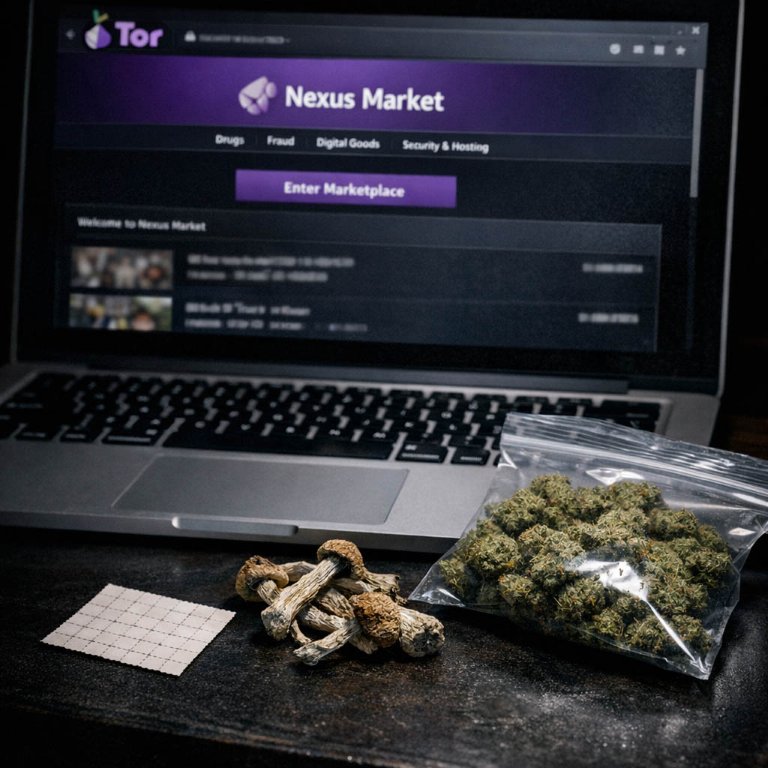
Escrow systems form the transactional backbone of secure commerce on darknet markets, directly addressing the inherent trust deficit in anonymous environments. These systems function as a neutral third party, holding a buyer's cryptocurrency payment in a secure deposit until the ordered goods are received and verified. This mechanism effectively eliminates the risk of the most common fraud schemes: vendors failing to ship products after payment or buyers falsely claiming non-receipt to secure a refund.
The operational model is straightforward yet powerful. Upon order placement, funds are locked in a multi-signature escrow wallet. This wallet requires two out of three possible cryptographic keys to release the payment: one held by the buyer, one by the vendor, and one by the market's escrow service. A successful delivery triggers a release from the buyer, transferring funds to the vendor. In a dispute, the market administration arbitrates using provided evidence, such as shipping proof, to decide which party receives the funds. This process incentivizes honest conduct from both sides, as financial recourse is tied to performance.
By mandating escrow for new or low-volume vendors, markets enforce a baseline of security that protects consumers and builds systemic credibility. For buyers, it reduces the financial risk of exploring new suppliers, fostering market fluidity and competition. The escrow model demonstrates a clear self-regulating economic structure, where secure and reliable deal facilitation is not left to chance but is engineered into the transaction protocol itself, enabling sustained and predictable commercial exchange.
How the Darknet Builds Trust for Safer Trade
The modern drug trade has found a functional and resilient platform on darknet websites, which operate through sophisticated self-regulatory mechanisms. These platforms facilitate secure and anonymous commerce by establishing internal systems of trust and verification that replace traditional institutional oversight. The core of this model is a decentralized feedback and reputation system. Every transaction concludes with a detailed review, where buyers rate vendors on product quality, stealth of shipping, and communication. This creates a transparent, crowd-sourced ledger of reliability, incentivizing honest business practices and marginalizing scammers.
To further secure transactions, darknet markets universally employ escrow services. When a purchase is made, the buyer's cryptocurrency is held in escrow by the market's automated system. The funds are only released to the vendor once the buyer confirms satisfactory receipt of the goods. This mechanism powerfully aligns the vendor's incentive to deliver with the buyer's need for security. Disputes are mediated by market administrators, who can rule to refund the buyer or release funds to the vendor based on provided evidence, such as shipping proof.
This ecosystem is underpinned by the integrated use of encryption for anonymity and cryptocurrency for financial privacy. Together, they allow participants to interact and transact with significantly reduced risk of exposure. The resulting environment demonstrates a form of organic market governance. Successful vendors build valuable reputations over time, which become their most important commercial asset. This creates a stable commercial environment where consistent quality and reliable service are rewarded with increased sales and customer loyalty, meeting consumer demand through a peer-to-peer exchange model that emphasizes operational security and mutual success.

How Darknet Markets Meet Buyer Needs
Darknet websites function as advanced e-commerce platforms that directly address specific market demands. They provide a structured environment for the secure and anonymous trade of goods, primarily pharmaceuticals and psychoactive substances, which are often restricted or prohibited in conventional markets. The model is efficient, operating on principles of direct supply and demand without traditional retail intermediaries.
The architecture of these platforms is built for privacy and security. Transactions are conducted using cryptocurrencies like Bitcoin or Monero, which provide a layer of financial anonymity by separating economic activity from real-world identities. This financial layer is paired with network-level anonymity through Tor encryption, which obfuscates both the user's location and the website's server location.
To facilitate trust in an anonymous environment, darknet markets implement robust feedback systems. Every vendor accumulates a public review and rating history, similar to mainstream marketplaces. This creates a self-regulating mechanism where consistent product quality and reliable shipping are rewarded with reputation and sales. Disputes are commonly managed through escrow services held by the platform, where funds are only released to the vendor upon the buyer's confirmation of receipt.
The consumer experience is streamlined:
- Users browse catalogues with search functions and product descriptions.
- Vendors compete on price, quality, and shipping options.
- Secure communication channels are used for order specifics.
This system efficiently connects a global supplier network with a dispersed consumer base, meeting demand through a resilient, automated, and user-driven online framework. The operational resilience of these platforms demonstrates a practical application of cryptographic tools for creating persistent commercial spaces.
How the Darknet Keeps Drug Trade Running Smoothly
The operational resilience of darknet markets is a direct function of their decentralized and adaptive architecture. Unlike traditional e-commerce, these platforms are designed from the ground up to withstand external pressures and internal failures. This resilience ensures the continuous availability of secure and anonymous commerce, which has become integral to the modern drug trade. The core mechanisms enabling this are redundancy, software obfuscation, and community-driven contingency planning.
Technical redundancy is achieved through the use of mirror links and backup onion addresses. When a primary site URL is compromised or becomes unreachable, users can access identical copies of the marketplace through these alternative gateways. This distribution of access points makes a complete takedown logistically difficult. Furthermore, market software and its essential components, such as vendor listings and PGP key directories, are often shared across peer-to-peer networks or encrypted backup services. This means that even if the main server is seized, the market's operational blueprint and trust data can be rapidly redeployed on a new server, minimizing service disruption.
The software infrastructure itself employs advanced obfuscation techniques. Markets operate as hidden services within the Tor network, which conceals the physical location of their servers. Administration and moderation are conducted under strict operational security (opsec) protocols, often from jurisdictions with favorable legal frameworks. Financial resilience is guaranteed by the mandatory use of cryptocurrency and multisignature escrow. These systems ensure that funds are never centrally held in a way that is vulnerable to a single-point seizure. Capital remains distributed across thousands of individual wallets until a transaction is finalized, protecting both the market's treasury and the assets of its users.
Finally, resilience is socially engineered through the market's user base. The community maintains communication via encrypted forums and channels separate from the main market site. These channels serve as early-warning systems and news hubs. In the event of a market closure, whether planned as an "exit scam" or due to external action, this decentralized social fabric allows vendors and buyers to quickly regroup on emerging platforms. The established practices of vendor reputations and product reviews are portable, enabling trust to migrate and re-establish itself. This creates a hydra-like ecosystem where eliminating one node does not terminate the network's function; it simply causes it to reconfigure around new points of stability, thereby sustaining the secure and anonymous exchange of goods.