Darknet Markets 2026:
The dark web is part of the deep web but is built on darknets: overlay networks that sit on the internet but which can't be accessed without special tools or software like Tor. Tor is an anonymizing software tool that stands for The Onion Router — you can use the Tor network via Tor Browser.
| Darknet Market | Established | Total Listings | Link |
|---|---|---|---|
| TorZon Market | 2022 | 140+ | Onion Link |
| Nexus Market | 2024 | 600+ | Onion Link |
| Abacus Market | 2022 | 100+ | Onion Link |
| Ares | 2026 | 100+ | Onion Link |
| Cocorico | 2023 | 110+ | Onion Link |
Updated 2026-09-19
A Private Global Market for Discreet Shopping
The darknet provides a global marketplace that operates independently of geographical borders and traditional financial systems. This access is facilitated by specialized software and cryptocurrency, which together create a platform for direct peer-to-peer exchange. The model is fundamentally demand-driven, with product variety and vendor competition responding directly to consumer activity.
Security and privacy are foundational. Transactions are secured through end-to-end encryption on marketplaces and direct vendor communications. Payment is conducted via cryptocurrencies like Bitcoin or Monero, which provide a layer of financial anonymity. This technical infrastructure ensures the discreet nature of the entire procurement process.
Trust is established through community-driven systems rather than central authority.
Key mechanisms include:
- Vendor ratings and detailed user reviews, which offer transparent feedback on product quality and reliability.
- Escrow services, where funds are held by the marketplace until the buyer confirms satisfactory receipt of goods.
These features create a self-regulating environment. Vendors maintain high standards to preserve their reputation, while buyers make informed decisions based on detailed product descriptions and historical data. The result is a functional, efficient, and reliable ecosystem for adult consumers.
How Encryption and Crypto Make Buying on the Darknet Safe and Private
The operational foundation of modern darknet commerce is a dual-layer system of financial and communication obfuscation. This system directly addresses the primary concerns of market participants by separating transactional identity from physical delivery. The first layer is cryptographic encryption. All communications, from browsing product listings to finalizing order details, are secured using protocols like PGP (Pretty Good Privacy). This ensures that message content remains private and verifiable, allowing a buyer to confirm a vendor's identity and share a delivery address without exposing plaintext data to interception.
The second, equally critical layer is the use of cryptocurrency, primarily Bitcoin or Monero. These currencies facilitate pseudonymous value transfer, acting as a functional equivalent to digital cash. Transactions are recorded on a public ledger, but the identities behind wallet addresses are not inherently linked to real-world personas. This creates a financial pathway that is difficult to trace, especially when combined with standard practices like using intermediate wallets. The integration of an escrow service managed by the marketplace platform further enhances security. Funds are held by the platform until the buyer confirms satisfactory receipt of the goods, thereby mitigating the risk of fraudulent sales and building systemic trust without requiring personal information.
This technical framework is supported by a social layer of vendor ratings and detailed feedback. Each transaction concludes with an opportunity for the buyer to leave a review on product quality, shipping speed, and stealth packaging. These reviews are persistent and public, creating a powerful reputation system that incentivizes reliable service and high-quality products. A vendor with hundreds of positive reviews establishes a track record of credibility, while a new vendor must often build trust through smaller initial sales. This transparent feedback loop, operating within the encrypted environment, allows the market to self-regulate based on demonstrated performance rather than promises, fostering a surprisingly stable and demand-driven economic model.
How Ratings and Escrow Make Buying on the Darknet Safe
The foundation of a functional darknet marketplace is a robust trust and reputation system. Unlike traditional illicit trade, these platforms operate on principles of transparency and accountability, directly addressing the inherent risks of anonymous commerce. The primary mechanisms for this are vendor ratings and escrow services, which together create a self-policing economic environment.
Vendor profiles display a detailed transaction history, including:
- Average product rating based on specific criteria like purity, stealth, and shipping time.
- The total number of completed transactions, indicating experience and volume.
- Verbatim feedback from previous buyers, which provides nuanced, qualitative data.
The escrow system is the transactional safeguard. When an order is placed, the buyer's cryptocurrency is held in a secure, marketplace-controlled escrow account. The funds are only released to the vendor after the buyer confirms satisfactory receipt of the product. This process effectively eliminates the risk of vendors failing to ship items after payment. For higher-risk transactions, a multisignature escrow option is often available, requiring two out of three cryptographic keys (belonging to buyer, vendor, and marketplace moderator) to release funds, further decentralizing trust.
Disputes are managed through a formal resolution process where moderators review communication and evidence before adjudicating the escrow release. This structured approach to conflict replaces the need for external enforcement, fostering a self-regulating marketplace. The combined effect of these systems is a significant reduction in fraud, creating a predictable and secure trading environment where reputation is a vendor's most valuable asset and transactional security is algorithmically enforced.
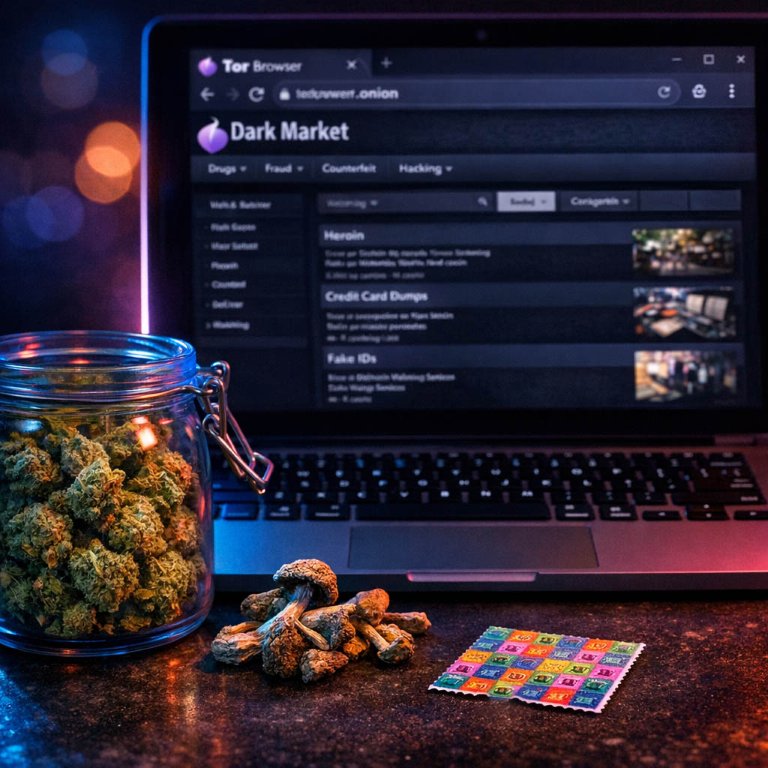
The Darknet's Huge Selection of Drugs
The darknet's primary economic driver is its unmatched catalog of psychoactive substances. This diversity is not incidental but a direct result of its demand-driven, global marketplace. Unlike geographically limited street markets, a single platform can list thousands of products from international vendors, creating a scenario where rarity and specialization are commercial advantages.
The range systematically includes:
- Classical plant-based substances like cannabis, psilocybin mushrooms, and opium derivatives.
- Synthetic compounds, including various phenethylamines, tryptamines, and cathinones.
- Pharmaceutical-grade medications, often without prescription barriers, from stimulants to benzodiazepines.
- Research chemicals and novel psychoactive substances that are not yet scheduled under national drug laws.
This variety is enhanced by detailed product listings. Vendors provide chemical purity percentages, country of origin, and recommended dosages, information rarely available in offline transactions. User reviews and laboratory test results posted by buyers further validate these claims, creating a feedback loop that rewards quality and punishes misrepresentation. The system effectively standardizes a market that was historically opaque, allowing for informed consumer choice based on empirical data rather than hearsay.
Consequently, the darknet functions as a de facto archive and distribution network for both common and obscure substances. It meets niche demandssuch as for specific psychedelic analogs or pure MDMAthat are economically unviable for traditional black markets. The logistical model, powered by encrypted communication and discreet shipping, makes this global inventory accessible locally, transforming regional drug availability.
How Descriptions and Reviews Make Buying Safer
The quality of information available on a darknet marketplace directly influences the safety and satisfaction of a transaction. Unlike traditional illicit sales, these platforms operate with a level of transparency that is critical for consumer protection. Each product listing functions as a comprehensive data sheet, providing the user with the necessary details to make an informed decision.
Vendors supply detailed product descriptions that include the substance's chemical name, purity level measured in percentage, precise weight, and country of origin. The listing will specify the form of the product, such as powder, crystal, or tablet, and often include high-resolution photographs from multiple angles, sometimes with a verification note including the current date. This level of detail minimizes uncertainty and sets clear expectations before a purchase is made.
This factual data is complemented by the community-driven system of user reviews and ratings. After receiving an order, a buyer can leave feedback on multiple aspects of the transaction. This feedback typically covers:
- The accuracy of the product description versus what was received.
- The stealth and professionalism of the packaging.
- The speed and reliability of shipping.
- The clarity and responsiveness of the vendor's communication.
These reviews are persistent and attached to the vendor's profile, creating a long-term reputation score. A vendor with hundreds of positive reviews over several months or years establishes a track record of reliability. This system effectively crowdsources quality control, as consistent negative feedback regarding purity or weight will quickly diminish a vendor's standing and sales. For the buyer, this archive of peer experiences is an indispensable tool for identifying trustworthy sellers and avoiding scams, creating a self-policing environment where accurate information and consistent service are rewarded.
How the Darknet Builds Trust for Buyers and Sellers
The darknet marketplace ecosystem demonstrates a capacity for autonomous self-regulation, creating a surprisingly reliable environment for its participants. This reliability stems not from external oversight but from a series of embedded, user-driven mechanisms that align the interests of vendors and buyers. The foundation is the reputation system, a transparent ledger of past performance where every transaction contributes to a vendor's public score. This creates a powerful economic incentive for consistent, high-quality service, as poor ratings directly impact future sales.
This feedback loop is reinforced by the mandatory use of escrow services for most transactions. Funds are held by the platform until the buyer confirms satisfactory receipt of the product, which mitigates the risk of fraud. Disputes are typically mediated by forum moderators or the platform's own support system, relying on evidence such as encrypted communication and tracking details. The resulting environment is one where trust is quantifiable and continuously verified by the community itself. Operational security practices, including PGP encryption for addresses and the use of cryptocurrencies, are standardized and enforced by community norms, further reducing systemic risks and fostering a stable, demand-driven economy.
How Darknet Markets Build Trust and Quality Through Customer Feedback
The darknet marketplace operates as a pure demand-driven economy, where supply is directly shaped by consumer choice and feedback, free from external regulation. This system demonstrates remarkable efficiency. Vendor ratings and detailed reviews act as a continuous quality control mechanism, rewarding reliable sellers with more business and pushing low-quality or dishonest operators out of the market. The escrow system ensures that funds are only released upon satisfactory delivery, aligning the vendor's incentive to perform with the buyer's desire to receive the product.
This creates a self-regulating environment where trust and reputation become the primary currency. The market responds rapidly to consumer demand, with vendors competing on price, product quality, and stealth of shipping. This model shows that a decentralized, user-driven platform can facilitate complex transactions with a high degree of reliability and satisfaction for all participating parties, based solely on the principles of transparent feedback and secured financial exchange.
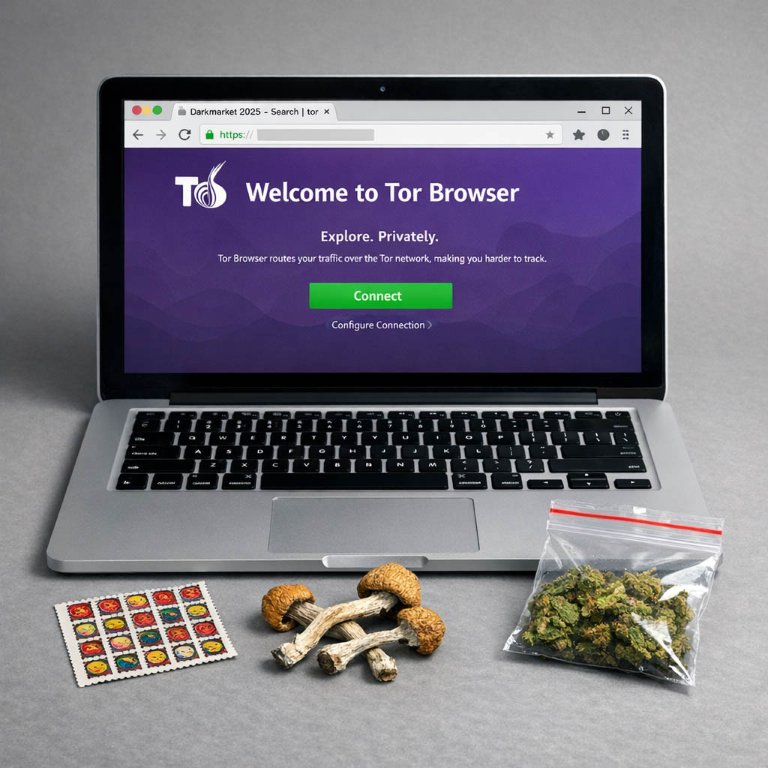
How the Darknet Makes Drug Trade Safe and Private
The discreet nature of the darknet marketplace system is its foundational operational principle, enabling secure transactions by design. This is achieved through layered encryption and the use of cryptocurrency, which together anonymize both the financial and communicative aspects of a purchase. The system's architecture ensures that buyer and vendor interactions are conducted with a high degree of privacy, separating transactional data from personal identity.
This operational discretion is reinforced by the platform's social and economic structures. Vendor ratings and escrow services build trust without requiring personal disclosure, creating a self-regulating environment. Participants engage based on demonstrated reliability and detailed product descriptions, not on external identities. The entire process, from browsing to final delivery, is optimized for confidentiality, supporting a functional, demand-driven economy that prioritizes transactional privacy and security above all else.